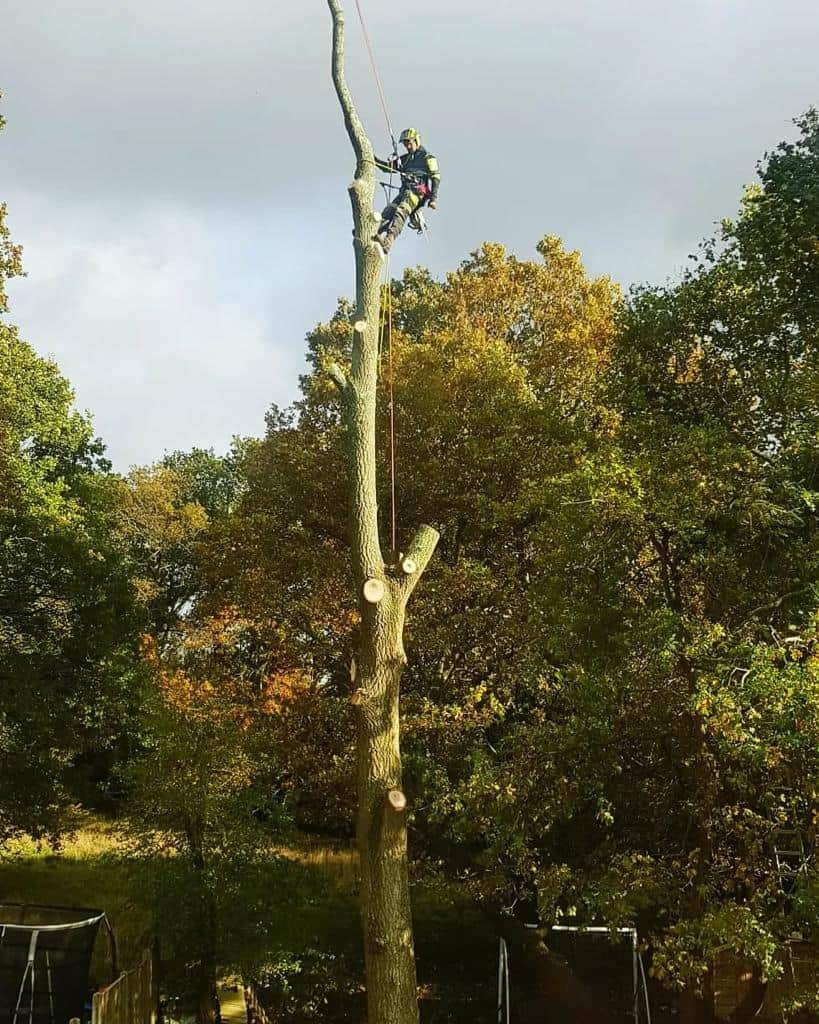
Tree pruning is an important part of maintaining healthy, well-structured trees. Removing selected branches at the appropriate time can encourage balanced growth, improve the tree’s shape and reduce the risk of damaged or crossing limbs becoming a problem. However, the best time to prune depends on the tree species, its condition and the reason for carrying out the work.
For homeowners in Colesbourne, Gloucestershire, understanding seasonal pruning can help protect established trees and support healthy development. EM Tree Surgery Colesbourne provides professional tree care to help property owners maintain their trees through appropriate pruning and ongoing maintenance.
Why Is the Timing of Tree Pruning Important?
Pruning affects how a tree grows, responds to damage and develops its overall structure. Cutting branches at the right time can help achieve the intended result while reducing unnecessary stress.
Different trees respond differently to pruning. Some are best pruned during dormancy, when their structure is easier to inspect without dense foliage. Others may benefit from pruning after flowering or during a specific stage of growth.
The condition of the tree also matters. Dead, broken or dangerous branches may need attention regardless of the season, particularly if they could fall and cause injury or damage. In these circumstances, safety should take priority over routine seasonal schedules.
Before pruning, it is important to establish the tree’s species, identify the objective and consider any signs of disease or structural weakness. This helps ensure that the work supports the tree rather than removing healthy growth unnecessarily.
When Is the Best Season to Prune Trees?
Winter: Suitable for Many Deciduous Trees
Winter is often a suitable time to prune many established deciduous trees, particularly when they have shed their leaves and entered dormancy. Without foliage, the branch structure is easier to assess, making it simpler to identify crossing limbs, damaged wood and areas where the canopy may need careful attention.
Pruning during dormancy can also help with structural work, as the tree’s framework is more visible. However, the weather and condition of the tree should still be considered. Severe frost and unsuitable working conditions can make pruning less appropriate.
Not every tree should be pruned in winter. Some species are vulnerable to particular diseases or excessive sap bleeding when cut at certain times, so species-specific advice is important.
Spring: Assess New Growth Carefully
Spring is a period of active growth, when buds open and new leaves begin to develop. It is a useful time to inspect trees for winter damage, broken branches and changes in their condition.
Routine pruning should be planned carefully because removing too much growth during this period can reduce the tree’s ability to produce energy. Some species may also be unsuitable for pruning in spring because of sap flow or disease concerns.
Where a tree has suffered damage, a professional assessment can help determine whether immediate pruning is necessary or whether the work can be scheduled for a more suitable time.
Summer: Managing Growth and Certain Species
Summer pruning can be appropriate for some trees, particularly where the aim is to manage specific growth patterns or maintain a suitable shape. With the canopy in leaf, it is easier to see how branches are distributed and identify areas of excessive density.
However, pruning during hot or dry weather should be approached with care. Removing too much foliage can place additional stress on a tree, especially if it is already affected by drought, disease or poor growing conditions.
The correct approach depends on the species and the extent of pruning required. Professional advice helps determine whether summer is suitable for the intended work.
Autumn: Choose the Timing Carefully
Autumn is a useful time to inspect trees and identify branches that have become damaged or poorly positioned during the growing season. However, it is not automatically the best season for pruning every species.
Some trees are more vulnerable to fungal infections or other problems when pruned during particular autumn conditions. It is therefore sensible to assess the species, local weather and tree health before arranging substantial work.
Rather than following a fixed calendar for every tree, homeowners should base pruning decisions on the tree’s individual needs.
How Pruning Supports Healthy Growth and Better Structure
Correct pruning can improve a tree’s long-term development by removing branches that compete with one another or grow in unsuitable directions.
Removing dead, diseased or damaged branches helps reduce the spread of certain problems and prevents weakened limbs from remaining in the canopy. Selective pruning can also improve the arrangement of branches, helping a tree develop a more balanced structure.
Crown thinning involves selectively removing branches to reduce canopy density while retaining the tree’s overall shape. Crown reduction reduces the size of the canopy where appropriate and should be carried out carefully to preserve the tree’s natural form.
Good pruning should not involve indiscriminate cutting or removing excessive amounts of foliage. Large or poorly placed cuts can create wounds that are difficult for the tree to manage and may encourage weak regrowth. A considered approach focuses on the tree’s health, stability and future development.
Signs Your Trees May Need Pruning
Seasonal timing is important, but visible warning signs can indicate that a tree needs attention sooner. Look out for:
- Dead, broken or hanging branches.
- Branches rubbing against each other or growing across the centre of the canopy.
- Excessive growth close to buildings, pathways or other structures.
- Damaged bark, unusual dieback or signs of disease.
- An unbalanced canopy or branches that appear weakly attached.
These signs do not always mean that extensive pruning is necessary. A professional assessment can establish which branches, if any, should be removed and whether further monitoring is appropriate.
Professional Tree Pruning in Colesbourne, Gloucestershire
Choosing the right time to prune is only one part of successful tree care. The method of pruning, the condition of the tree and the amount of growth removed are equally important.
EM Tree Surgery Colesbourne can help homeowners in Colesbourne, Gloucestershire, assess their trees and determine an appropriate maintenance plan. Professional tree surgery helps ensure that pruning is tailored to the species, season and specific condition of each tree.
Whether you need to address damaged branches or improve the structure of an established tree, seeking advice can help you make informed decisions about its ongoing care.
Conclusion
The best time to prune trees depends on their species, health and the purpose of the work. Winter is suitable for many deciduous trees, while selected pruning tasks may be better carried out during other seasons. Damaged or potentially dangerous branches, however, should be assessed promptly rather than left until a preferred pruning period.
With careful timing and appropriate techniques, tree pruning can support healthy growth, improve structure and maintain the appearance of your garden. If your trees need attention, contact EM Tree Surgery Colesbourne to discuss professional tree care in Colesbourne, Gloucestershire.
Call us on: 01242 569 996
Click here to find out more about EM Tree Surgery Colesbourne
Click here to complete our contact form and see how we can help with your tree needs.